
Could My Child Have Sleep Apnea?
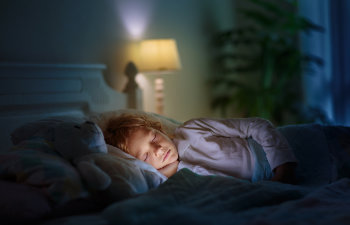
Yes, your child could have sleep apnea if they snore regularly, struggle to breathe at night or show signs like daytime sleepiness and behavioral changes. Sleep apnea is a condition where a child’s breathing is repeatedly interrupted during sleep, often without parents realizing the severity of the issue.
Here’s a concise summary: If your child snores, breathes noisily at night, wakes up frequently or seems unusually tired or irritable during the day, it’s worth considering sleep apnea as a possible cause. The American Academy of Sleep Medicine says that “Up to 50% of all children may experience a sleep problem.”
What Is Sleep Apnea in Children?
Sleep apnea in children, particularly obstructive sleep apnea, occurs when the airway becomes partially or completely blocked during sleep. This blockage can cause loud snoring, gasping or pauses in breathing.
According to the Mayo Clinic, pediatric sleep apnea can disrupt restful sleep, impact daytime functioning, and if left untreated, lead to complications like poor growth, learning difficulties and even heart problems.
What Symptoms Should I Watch For?
Parents in Atlanta and beyond should watch for symptoms, including:
- Loud, regular snoring
- Pauses in breathing followed by gasping or choking
- Restless sleep or frequent awakenings
- Night sweats and bedwetting
- Unusual sleeping positions (like neck extended or sitting up)
- Daytime sleepiness, irritability or difficulty paying attention
- Behavioral issues or declining school performance
Children do not always outgrow these symptoms. In fact, sleep apnea can be mistaken for other conditions like ADHD or mood disorders, making a pediatric evaluation crucial.
What Causes Sleep Apnea in Children?
The American Thoracic Society shares that the most common cause of sleep apnea in children is enlarged tonsils and adenoids, which can block the airway. Other risk factors include obesity, craniofacial abnormalities, certain genetic conditions and a family history of sleep apnea. Allergies and chronic nasal congestion may also play a role.
How Is Sleep Apnea Diagnosed?
If you suspect your child has sleep apnea, schedule a visit with your pediatrician. At Intown Pediatric & Adolescent Medicine, P.C., our team begins with a thorough medical history and physical exam. If sleep apnea is suspected, your child may be referred for a sleep study (polysomnography). This test monitors breathing patterns, oxygen levels and sleep quality overnight, providing a clear diagnosis.
For some children, home sleep apnea testing or overnight oximetry may be used, but in-lab studies are often preferred for accuracy in younger patients.
What Are the Treatment Options for Pediatric Sleep Apnea?
Treatment depends on the cause and severity. Common approaches include:
- Surgical removal of enlarged tonsils and adenoids (tonsillectomy and adenoidectomy)
- Weight loss, if obesity is a contributing factor
- Use of CPAP (continuous positive airway pressure) masks for moderate to severe cases
- Allergy management or nasal medications
Your pediatrician will work closely with you to determine the best treatment plan. With proper care, most children experience significant improvements in sleep quality, daytime behavior and overall health.
Why Choose Intown Pediatric & Adolescent Medicine, P.C.?
Our Atlanta-based practice specializes in pediatric and adolescent care, with expertise in diagnosing and managing sleep apnea. Our providers stay current on the latest research and maintain a compassionate, family-centered approach. We know that every child is unique—our team tailors diagnostic and treatment plans to fit your child’s specific needs.
As we tell parents, “Persistent snoring and sleep difficulties are not just a phase. Early intervention can make all the difference in a child’s growth and development.”
FAQ: Sleep Apnea in Children
Is it normal for children to snore?
Occasional, quiet snoring isn’t unusual, but loud, regular snoring can be a sign of sleep apnea and should be evaluated.
Can sleep apnea go away on its own?
Some children may improve as they grow, but many need treatment to avoid complications. Don’t ignore ongoing symptoms.
What happens if sleep apnea is left untreated?
Untreated sleep apnea can lead to poor growth, learning or behavioral problems and even heart issues over time.
How common is sleep apnea in children?
It affects about 1–5% of children, but it is often underdiagnosed.
When should I see a pediatrician?
If your child snores loudly, has trouble breathing at night or shows daytime symptoms like sleepiness or behavior changes, consult your pediatrician promptly.
Don’t Overlook Sleep Apnea in Children
Sleep apnea is a common but often overlooked condition that can impact your child’s health, mood and success in school. If you notice warning signs, trust the experienced team at Intown Pediatric & Adolescent Medicine, P.C. for compassionate, expert care.
Concerned about your child’s sleep? Contact Intown Pediatric & Adolescent Medicine, P.C., in Atlanta, GA, to schedule an evaluation and get the answers you need to ensure your child’s best health and bright future.
Posted on behalf of
490 Bill Kennedy Way, SE
Atlanta, GA 30316
Phone: (404) 446-4726
Fax: (404) 446-4727
Email: [email protected]